
At BEYOND, we work with many women during perimenopause, which can range from late 30s to late 50s. We commonly see shoulder stiffness, pain, or weakness in this population. While you might think, “what does my shoulder have to do with perimenopause?,” it can actually be very connected. Let’s dive in.
Is My Shoulder Pain Related to Perimenopause?
Perimenopause is a period of time in a woman’s life where hormone levels, specifically estrogen and progesterone, are fluctuating until an eventual decline in hormone levels during menopause. We hear about many symptoms including hot flashes, mood changes, disordered sleep, irregular periods – but musculoskeletal pain is another common symptom.
Musculoskeletal pain involves pain of the muscles, joints, and skeletal system – which includes the shoulder complex. The shoulder is a ball and socket joint, with a joint capsule surrounding the ball and socket. The joint capsule acts like a trampoline – strong but flexible. If the capsule loses its flexibility, we can feel stiffness in our shoulder joint. Capsular stiffness is a common finding in perimenopause. This is where physical therapy can come in with joint mobilizations (or joint stretches) followed by therapeutic exercise to improve shoulder function.
Shoulder pain and stiffness can arise from many different causes. If you are in your late 30s-late 50s and feel your shoulder function has changed, it might be related to perimenopause.
What Can I Do To Improve My Shoulder Function?
There is so much we can do for shoulder pain and stiffness during perimenopause!
At BEYOND Physical Therapy, we are experts in orthopedics regarding women’s health – so we can incorporate perimenopause into your shoulder treatment. We’ll start by gaining a thorough understanding of your perimenopause journey and your shoulder function. Together, we’ll make a plan on how to address the impairments we find. Typically, this may involve some hands-on manual therapy, such as shoulder joint mobilizations or soft tissue mobilization to the shoulder muscles, followed by therapeutic exercise.
When thinking about improving shoulder function, we highlight these 3 main movements:
1- Shoulder Flexion: reaching overhead
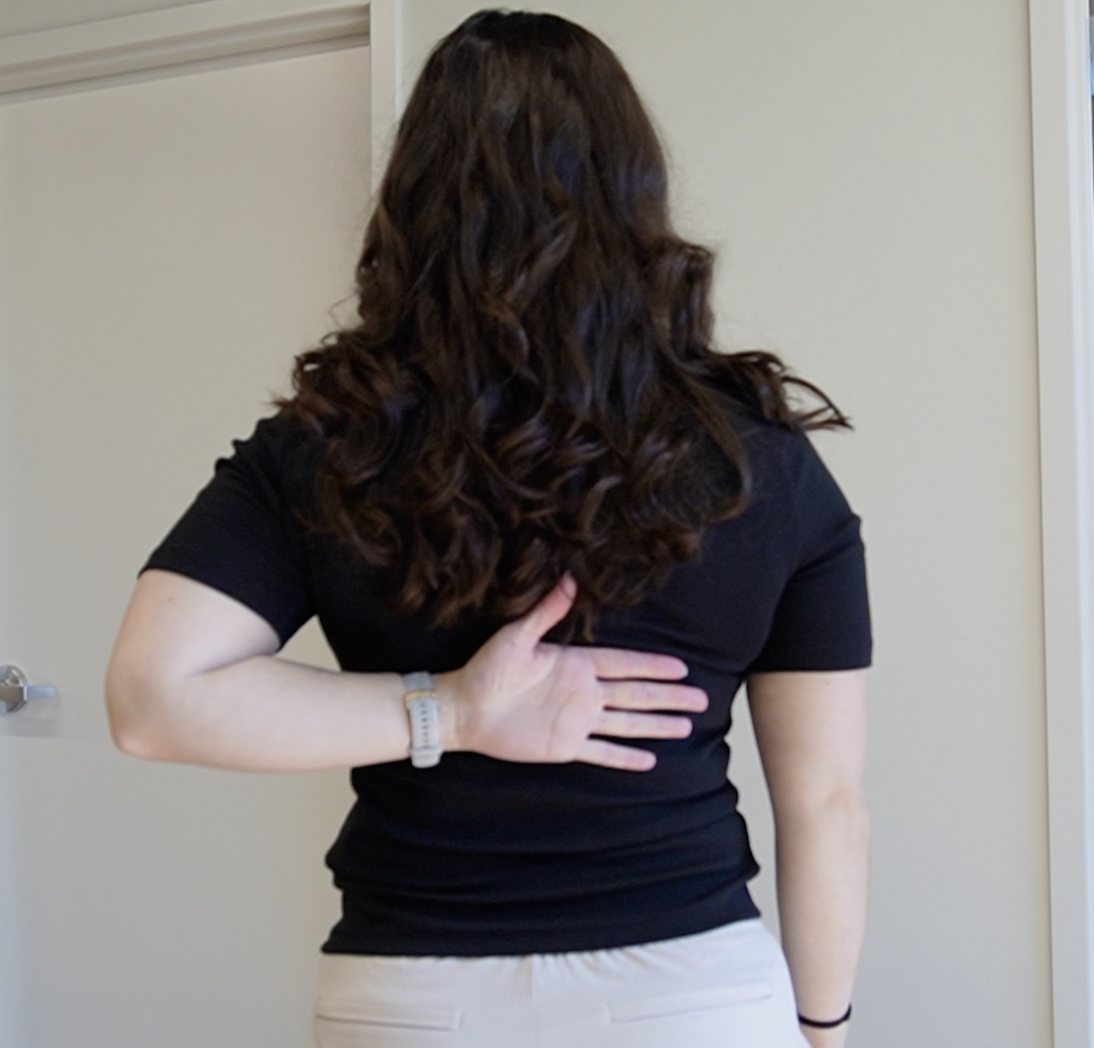
2- Shoulder Internal Rotation: putting on your bra, zipping a dress, or scratching your back
3- Shoulder External Rotation: reaching the seatbelt, throwing a ball
Take a look at the videos linked above for an example of an exercise we might use in physical therapy.
If you’re not having pain, but noticing your shoulder is feeling less flexible – this is not just a “normal” part of aging! It’s very important to improve your mobility, especially while you are not experiencing discomfort, to get the most out of your shoulder joint.
If you are noticing changes in your shoulder function during perimenopause, let’s chat.
Sources:
PMID: 39077777
PMID: 41523660
PMID: 33299396
Disclaimer: The exercises demonstrated in this post are intended for general educational purposes only and do not constitute medical advice. Always consult with a licensed physical therapist or healthcare provider before starting any new exercise program, especially if you are recovering from an injury or have specific medical concerns.